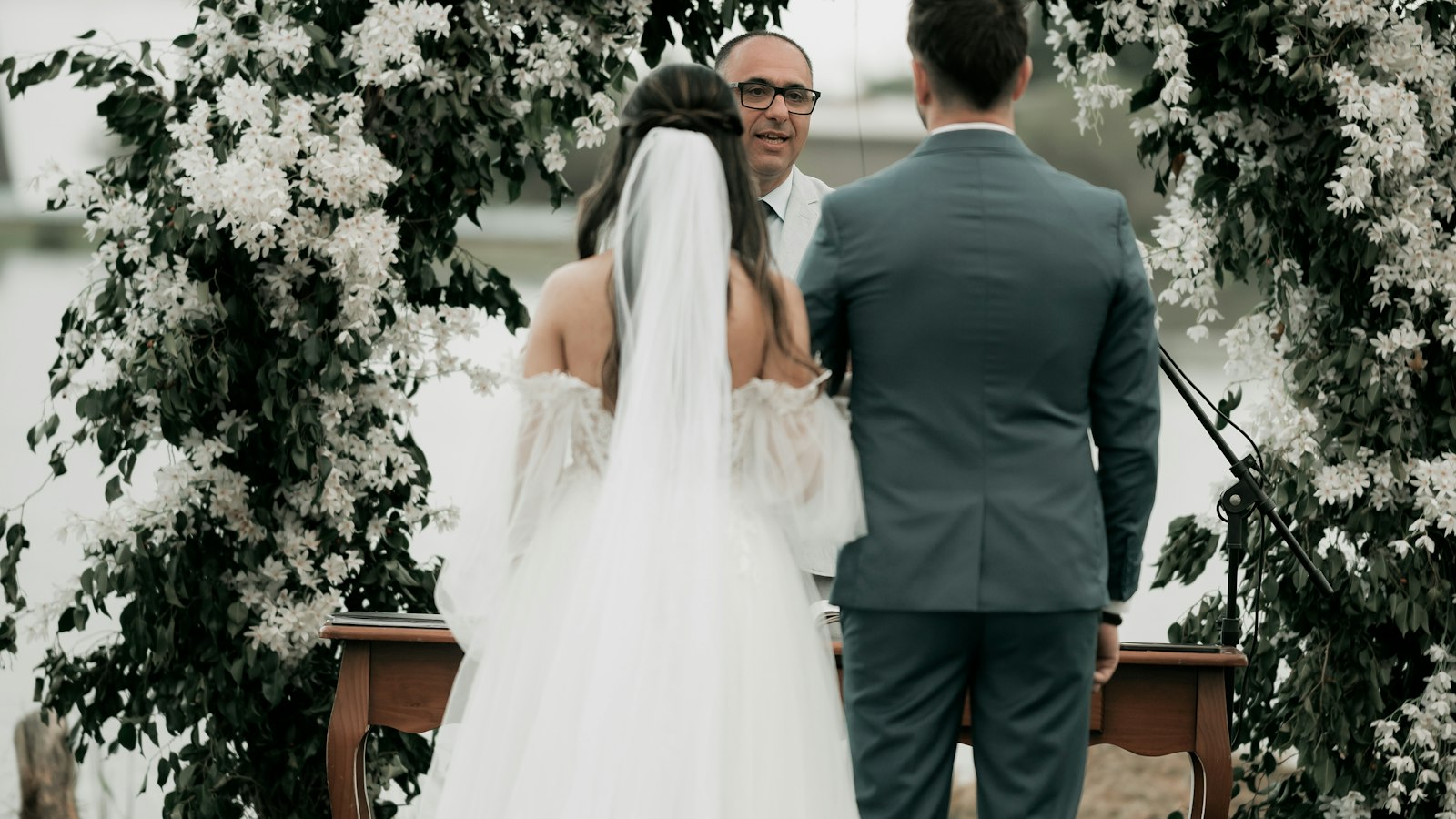
The Complete Checklist for a Wedding Coordinator
Everything a wedding coordinator needs to do, from the first handover meeting to returning the rentals: week-by-week tasks, a wedding day checklist, an emergency kit list and answers to the questions couples ask most.
By The Okerly team 9 min read
On this page
A wedding coordinator is the person everyone turns to when something is about to go sideways: the florist who can't find the loading dock, the best man who left the rings at the hotel, the cloud drifting toward the ceremony lawn. The calm guests see on the day comes from weeks of quiet preparation, and that preparation is exactly what this checklist for a wedding coordinator covers.
It is written for professional day-of and month-of coordinators, for the friend or relative who agreed to "just keep an eye on things", and for couples who want to know what a good coordinator should be doing for them. Treat it as a starting point, then adapt each list to the venue, the traditions and the couple in front of you.
What does a wedding coordinator do?
A wedding planner usually works with a couple from the very beginning: budget, venue search, choosing vendors and the overall design. A wedding coordinator takes the plan the couple has already built and makes sure it actually happens. Most coordinators start 6 to 12 weeks before the date, confirm every detail with every vendor, run the rehearsal, and then manage the wedding day from the first delivery to the last guest leaving.
Put simply, the planner designs the day and the coordinator delivers it. Plenty of professionals do both, but the checklist below focuses on delivery, because that is where the small, easy-to-forget tasks live.
The wedding coordinator timeline at a glance
| When | Main focus | You're done when |
|---|---|---|
| 8–12 weeks before | Handover from the couple | Every contract, contact and expectation is in one place |
| 4–6 weeks before | Vendor confirmations and first timeline | Every vendor has confirmed date, times and access |
| 2–3 weeks before | Final numbers and floor plan | Headcount, seating and dietary list are with the caterer |
| Wedding week | Reconfirm, pack and brief | Final timeline sent, emergency kit packed, payments ready |
| Rehearsal | Walk through the ceremony | Everyone knows their cue, their place and their exit |
| Wedding day | Run the timeline | The couple never had to solve a problem themselves |
| After the wedding | Wrap up and hand back | Rentals returned, gifts safe, vendors thanked |
8 to 12 weeks before: the handover
Your first real meeting with the couple sets the tone for everything that follows. The goal is to walk out knowing as much about the wedding as they do.
- Collect a copy of every vendor contract and note arrival times, overtime fees, cancellation terms and which payments are due on the day.
- Start a vendor contact sheet: company, contact person, mobile number, arrival time and what each vendor needs from you (power, a table, parking, a meal).
- Ask for the guest list, the RSVP deadline and how replies are being collected, so you know where the final numbers will come from.
- Get the couple's must-haves and their "please never" list: songs, speeches, family dynamics, and anyone who should not be seated together.
- Book a walkthrough with the venue manager to check loading access, power points, Wi-Fi, curfew, noise limits and where the rain plan happens.
- Confirm the marriage license or legal paperwork, and who is bringing it on the day.
- Agree on how the couple wants to hear from you, and who you will go to on the day instead of them, usually a parent or the maid of honor.
4 to 6 weeks before: lock in the logistics
This is the heaviest stretch of admin. Every vendor should hear from you, and you should hear back from every vendor in writing.
- Contact each vendor to confirm the date, the address, arrival and setup times, and the final balance due.
- Write the first draft of the wedding day timeline, working backwards from fixed moments such as the ceremony start, sunset photos and the venue curfew. Leave 10 to 15 minutes of buffer between big moments, because timelines always stretch.
- Draw the floor plan with the venue: ceremony seating, reception tables, dance floor, bar, cake table, gift and card table, and every spot that needs power.
- Check the RSVP count and send the couple a short list of guests who still haven't replied.
- Start the dietary and allergy list for the caterer, so seat numbers can be added once the seating chart is final.
- Plan transportation: shuttles, parking, an accessible drop-off point, and how late-night guests get back to their hotels.
- Write the rain plan (or heat plan), including what it costs, who makes the call and by what time.
- Sanity-check the drinks order against the guest count and the length of the reception. Our wedding alcohol calculator gives you a quick second opinion.
2 to 3 weeks before: final numbers
- Send the final headcount, meal choices and dietary list to the caterer before their deadline.
- Finalize the seating chart with the couple and arrange escort cards or a printed seating plan.
- Send version two of the timeline to every vendor and ask them to reply with any conflict.
- Build the family photo list with the photographer, with names for each group and a helper who knows everyone and can gather them.
- Confirm the order of the processional, readings, speeches, first dance and any cultural or religious traditions.
- Plan the signage: welcome sign, seating plan, bar menu, unplugged ceremony and directions. A QR code on the welcome sign that opens the couple's wedding website answers a lot of questions before anyone asks you.
- Collect the music for the ceremony and the reception, including the do-not-play list.
Wedding week: reconfirm and pack
- Reconfirm every vendor 48 to 72 hours before, sending the final timeline and your mobile number.
- Check the forecast daily and make the rain-plan call by the agreed deadline.
- Prepare labeled envelopes for final payments and tips, and agree who hands each one over.
- Collect the couple's items: rings, license, vows, guest book, card box, favors, signage and decor. Write down what goes back home at the end of the night and with whom.
- Pack your emergency kit (the full list is below).
- Make sure guests have the final details: start time, address, parking, shuttle times and dress code. The easiest way is a single, up-to-date wedding website rather than a chain of group messages.
- Print several copies of the timeline, the vendor contact sheet, the seating plan and the photo list.
The rehearsal
The rehearsal is the only moment everyone in the ceremony is in the same place before the real thing. Keep it short, cheerful and practical.
- Agree with the officiant on who leads. Your job is the cues, the spacing and the timing.
- Practice the processional twice, including the music cue for each entrance.
- Show every person where they stand, where they sit and how they leave.
- Confirm who carries the rings and who holds the bouquet during the vows.
- Tell the wedding party exactly when and where to be the next day, and who to call if they're running late.
- Take charge of anything you will look after: rings, license, decor, guest book and gifts for the couple.
Wedding day checklist
Morning: setup and getting ready
- Arrive before the first vendor and walk the venue with your venue contact.
- Check every delivery against its contract: flowers, rentals, cake, linens and decor.
- Set up or supervise the ceremony and reception spaces against the floor plan.
- Check in on the getting-ready rooms: hair and makeup on schedule, photographer briefed, food and water for the wedding party.
- Place signage, escort cards, favors, the guest book and the card box.
- Test the microphones and the ceremony music.
- Confirm pickup times with the drivers.
Ceremony
- Brief the ushers and keep the first rows reserved for family.
- Give the officiant and the musicians a five-minute warning.
- Line up the processional in order and send each person on their cue.
- Keep the rings, the license and a pen within reach.
- After the recessional, guide guests to cocktail hour and gather family for the group photos.
Reception
- Do a final check of the room before the doors open: place cards, candles, menus and the head table.
- Cue the grand entrance with the DJ or band.
- Keep the timeline moving through dinner service, speeches, first dance, cake cutting and any traditions.
- Give each speaker a heads-up one course before their turn.
- Make sure the couple and the vendors actually get to eat.
- Hand over final payments and tips as agreed.
- Solve problems quietly, before the couple notices them.
End of the night
- Organize the send-off and transportation for the couple and the guests.
- Gather gifts, the card box, the guest book and personal items, and hand them to the agreed person.
- Supervise teardown according to the venue's rules and curfew.
- Do a final walk through every room to catch anything left behind.
What to pack in a wedding coordinator emergency kit
A good emergency kit fixes the small problems before they turn into big ones. Pack it in one clearly labeled bag and keep it with you all day.
- Clothing fixes: sewing kit, safety pins, double-sided fashion tape, a stain remover pen, a lint roller and a small steamer.
- First aid: bandages and blister pads, pain relievers, antihistamines, tissues and hand sanitizer.
- Beauty: bobby pins, hairspray, blotting papers, deodorant and mints.
- Practical: scissors, tape, zip ties, a lighter, a phone charger and power bank, pens, a marker and a small flashlight.
- Paperwork: the printed timeline, vendor contact sheet, seating plan, photo list and the license details.
- Comfort: water, snacks, umbrellas and a spare pair of flat shoes for the dance floor.
After the wedding
- Return rentals and borrowed items on time to avoid late fees.
- Make sure gifts, cards and personal items reach the couple or the family member you agreed on.
- Settle any remaining balances or overtime, and keep the receipts.
- Send a short thank-you to each vendor, and encourage the couple to review the ones they loved.
- Give the couple a list of who gave what, so their thank-you notes are easier to write.
- Note the photo and video delivery dates and pass them on.
- Ask the couple for feedback while the day is still fresh.
Wedding coordinator checklist FAQ
When should you hire a wedding coordinator?
Most couples book a day-of coordinator 3 to 6 months before the wedding, and the coordinator starts active work 6 to 12 weeks out. For a Saturday in peak season, book earlier: good coordinators fill their calendars quickly.
What is the difference between a day-of and a month-of coordinator?
Usually only the name. Even a "day-of" coordinator needs several weeks before the wedding to confirm vendors and build the timeline, so "month-of" is simply a more honest description of the same service. Check what is included in the contract rather than relying on the title.
How many hours does a coordinator work on the wedding day?
Expect 10 to 14 hours, from the first vendor arrival to the end of teardown. Compare this with the contract and the venue curfew so overtime doesn't come as a surprise.
Can a friend or family member be the wedding coordinator?
Yes, especially at smaller weddings. Choose someone organized and calm who doesn't mind missing part of the party, give them this checklist and the vendor contact sheet, and introduce them to the main vendors before the day.
What goes in a wedding coordinator binder?
The final timeline, the vendor contact sheet, copies of the contracts, the floor plan, the seating plan, the family photo list, the ceremony order, the music lists and the rain plan. Keep a printed copy as well as a digital one, because venue Wi-Fi is never as good as promised.
Every wedding is different, but great coordination always follows the same rhythm: gather everything early, confirm it twice, then run the day so smoothly that nobody notices how much work went into it. Keep this checklist close, adapt it for each couple, and enjoy the moment it all comes together.